Search This Blog

Showing posts with label PNNL. Show all posts

Sunday, October 15, 2023

Pacific Northwest Set to Launch Hydrogen Energy Hub

 PNNL News Release:


PNNL research team helps define hydrogen’s role in the new energy economy of the Pacific Northwest


October 13, 2023

RICHLAND, Wash.—The Department of Energy today announced $7 billion to launch seven regional clean hydrogen hubs (H2Hubs) to develop clean hydrogen energy that meets the nation’s energy needs. The regional hydrogen hubs will establish a national clean hydrogen network over the next decade.


Realizing this goal requires the expertise and experience of a true multi-sector partnership. DOE’s Pacific Northwest National Laboratory is lending its expertise across several fields of study to support the Pacific Northwest Hydrogen Association (PNWH2). Public and private groups represented in PNWH2 are working with leaders in Washington, Oregon and Montana to leverage the region’s renewable energy sources to produce clean hydrogen for the region.


“Unlocking the full potential of hydrogen—a versatile fuel that can be made from almost any energy resource in virtually every part of the country—is crucial to achieving President Biden’s goal of American industry powered by American clean energy, ensuring less volatility and more affordable energy options for American families and businesses,” said Secretary of Energy Jennifer M. Granholm. “With this historic investment, the Biden-Harris Administration is laying the foundation for a new, American-led industry that will propel the global clean energy transition while creating high quality jobs and delivering healthier communities in every pocket of the nation.”


Clean hydrogen energy impact

PNNL’s Daniel Gaspar, serves as a senior technical advisor to the PNWH2 consortium.


“It’s important to evaluate the carbon impact of hydrogen production from the moment it’s produced to the moment it’s used, or what’s called cradle-to-gate emissions,” said Gaspar, a PNNL chemist with expertise in clean hydrogen and sustainable fuels. “PNNL is helping the Pacific Northwest projects determine their life-cycle impacts, including a framework to measure other impacts besides greenhouse gas emissions.”


PNNL experts are also providing economic analyses and evaluations of hydrogen production, integration with the electrical grid, and other areas as the region builds out a clean hydrogen economy.


“We are fortunate to be able to leverage existing clean, renewable electrical power in the Pacific Northwest to produce hydrogen at scale,” Gaspar added. “With our abundant Pacific Northwest hydroelectric power providing renewable electricity, we see clean hydrogen produced from clean electricity as being critically important to getting to net zero for greenhouse gas emissions in the heavy-duty transportation sector and other hard-to-abate applications.”


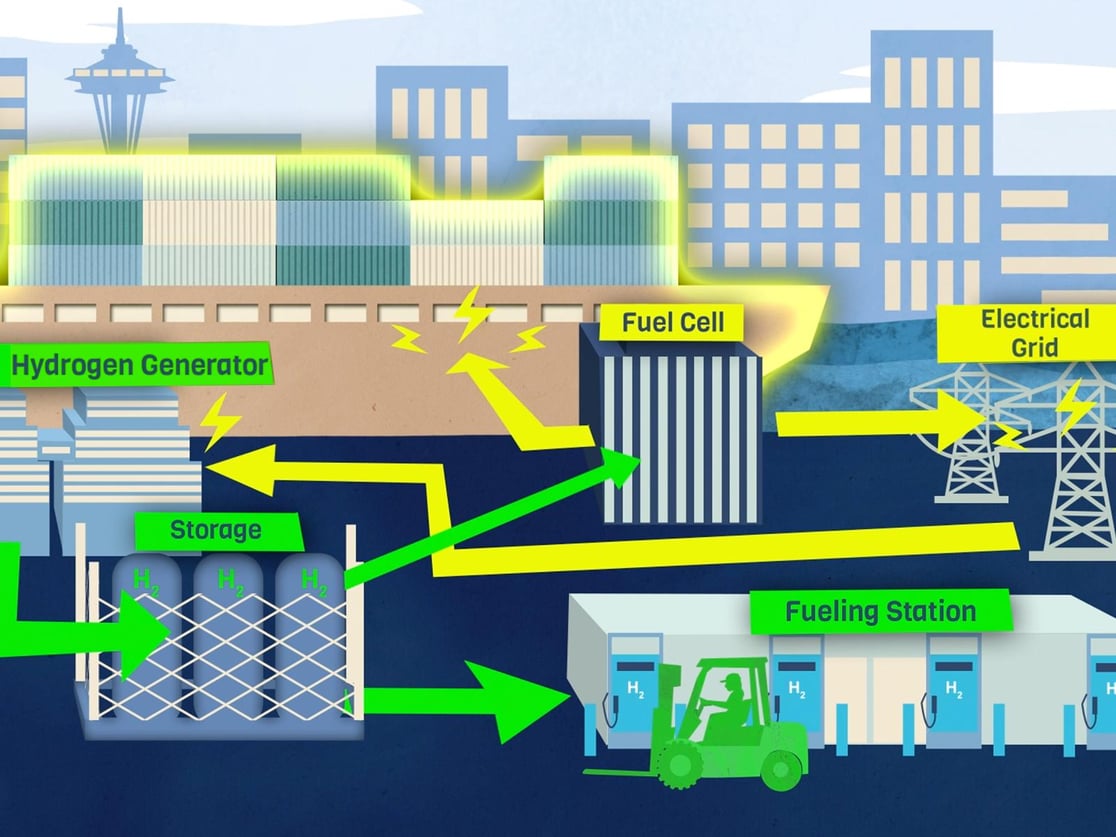
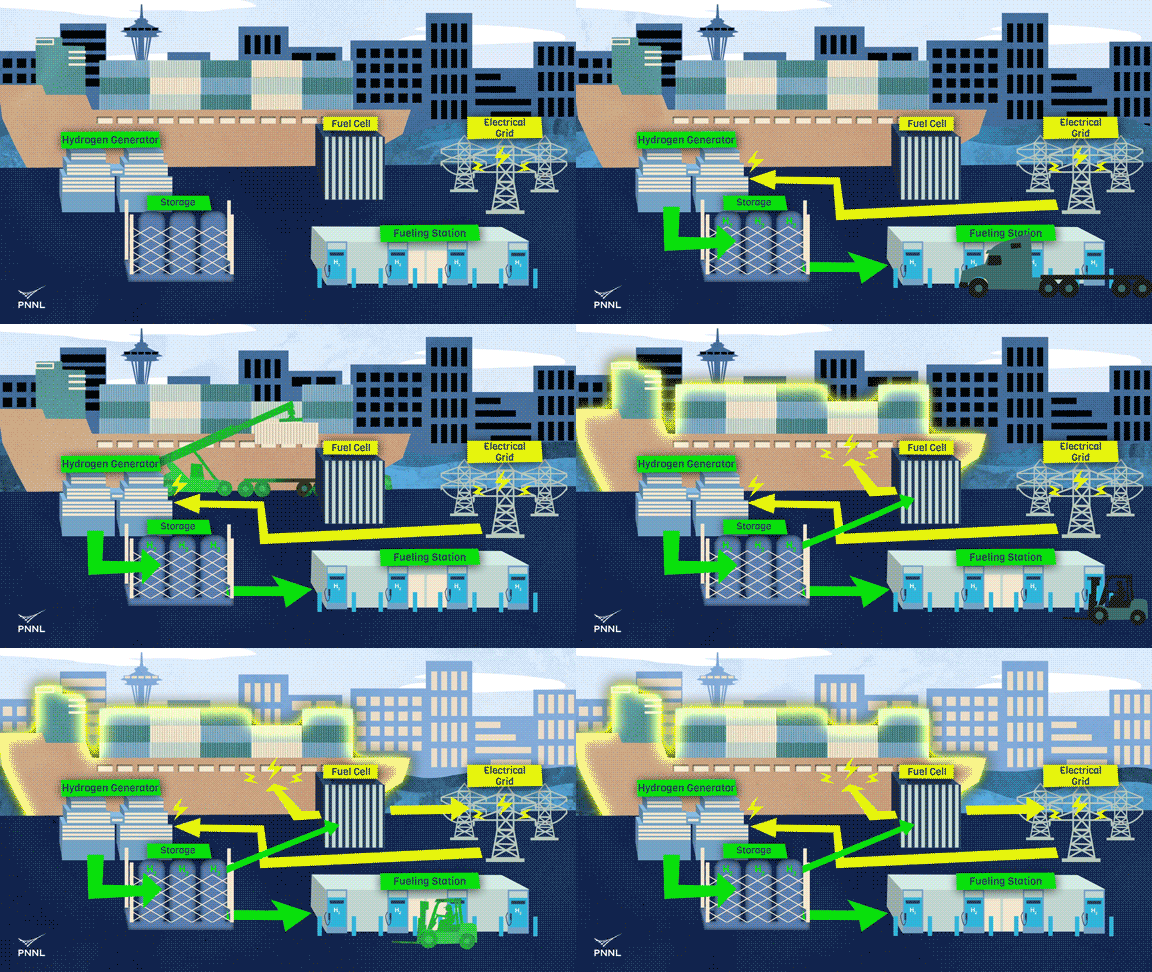
PNNL has a track record of working with regional partners to explore the feasibility of using clean hydrogen as a renewable energy source in a decarbonized energy economy. For example, PNNL researchers previously assisted partners at the Port of Seattle and Seattle public utility, Seattle City Light, to study the use of hydrogen at the Port.

Researchers at Pacific Northwest National Laboratory have been studying how hydrogen can decarbonize the heavy-duty transportation sector. Now, a new Pacific Northwest Hydrogen Hub will take the next step toward integrating hydrogen into the region's energy future. (Animation by Sara Levine | Pacific Northwest National Laboratory)

Going forward, PNNL scientists, engineers and analysts are providing ongoing support to the PNWH2 consortium as they make progress toward lowering the cost of producing hydrogen in the Pacific Northwest and expanding its use in hard-to-abate sectors.


DOE’s H2Hubs will kickstart a national network of clean hydrogen producers, consumers and connective infrastructure while supporting the production, storage, delivery and end-use of clean hydrogen. Funded by President Biden’s Investing in America agenda, the H2Hubs will accelerate the commercial-scale deployment of clean hydrogen—helping generate clean, dispatchable power, create a new form of energy storage and decarbonize heavy industry and transportation. Together, they will also reduce 25 million metric tons of carbon dioxide) emissions from end-uses each year—an amount roughly equivalent to combined annual emissions of 5.5 million gasoline-powered cars—and create tens of thousands of good-paying jobs across the country while supporting healthier communities and strengthening America’s energy security. 

Thursday, October 12, 2023

Floating Offshore Wind Could Bring Billions in Value to the West Coast, Report Shows

 PNNL News Release:

Researchers modeled the performance of hypothetical floating wind farms off the coast of southern Oregon and northern California, showing multiple futures in which the benefits outweigh the cost of development.


October 11, 2023

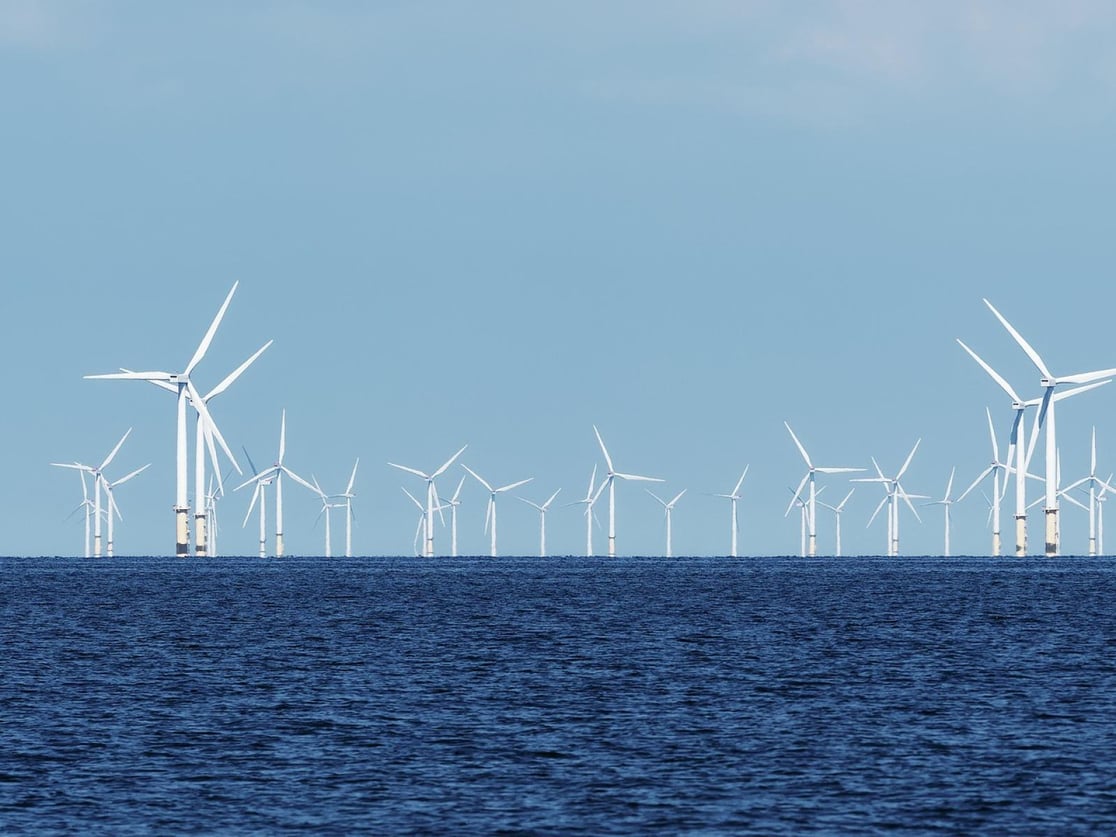
RICHLAND, Wash.—A new report from Pacific Northwest National Laboratory shows that along a 200-mile stretch of ocean off the coast of southern Oregon and northern California, floating wind farms could potentially triple the Pacific Northwest’s wind power capacity while offsetting potentially billions of dollars in costs for utilities, ratepayers, insurance companies, and others across the West who bear the cost of climate change’s effects.


“This research is all about unlocking an untapped source of supply where there is limited transmission and little ability to move that electricity today,” said Travis Douville, lead author on the report and an advisor at PNNL who leads research on integrating wind energy into the grid. “Offshore wind offers a massive opportunity to decarbonize the western United States.”


The nation’s power supply is split into three separate grids, with the western interconnection providing power to more than 80 million people over 14 states in the western United States and two Canadian provinces. The new report dives into future scenarios where floating offshore wind farms are connected to the shore between Coos Bay, OR, and Eureka, CA, via large transmission lines—and the value those wind farms could bring to utilities and ratepayers alike.


The benefits of offshore wind

Land-based wind farms across the United States already produce more than 140 gigawatts of energy, contributing to about 10% of the nation’s energy portfolio. Currently, the federal government aims to install 30 gigawatts of offshore wind by 2030 and to increase that number to 110 gigawatts of offshore wind by 2050. That much wind power could power tens of million of homes and cut more than 78 million metric tons of carbon emissions.


One of the perks of offshore wind turbines—whether they’re attached to the ocean floor or floating on the surface—versus land-based is that wind over the ocean is less variable and more consistent, said Mark Severy, a research engineer at PNNL and coauthor on the report. Wind over land is generally more variable because it may be influenced by the complex relationship between the atmosphere and landscapes like mountains, valleys, flat plains, or forests.


Wind over the ocean also tends to peak in the evenings, which could help supply power when solar energy dips as the sun sets, Severy said. In places like California, where solar energy makes up most of the renewable power, utilities could turn to wind power in the evenings, when demand generally goes up, instead of fossil fuels to power homes.


Modeling floating offshore wind energy

To meet the nation’s ambitious wind power goals, potential offshore wind farms must be carefully studied and planned. And along with building floating wind turbines in the ocean, researchers will also have to figure out how to bring the power they generate to land and connect it with the electrical grid.


One challenge is determining whether already existing transmission infrastructure could support incoming energy from offshore wind. In a previous study, Douville and other researchers found that offshore wind could supply 3 gigawatts of energy with upgrades to Oregon’s current transmission lines. That’s enough energy to power 1 million homes.


But what about in the future, with more transmission lines and an increased ability to transport energy? “How do you harness offshore wind energy in a way that allows you to adequately, reliably, and resiliently supply electricity in the future at lowest cost?” Douville said. “And what is the role of transmission design to influence the value of offshore wind?”


To find out, the team modeled different transmission scenarios, two of which represent a future where offshore wind farms and new, powerful transmission lines add an additional 20 gigawatts worth of wind power to the western interconnection. Both scenarios include high-voltage direct current (HVDC) transmission lines to carry power, which would then be converted to alternating current (AC) once onshore (DC can transmit higher voltages and thus more energy, but needs to be converted to AC to be distributed to the end users).


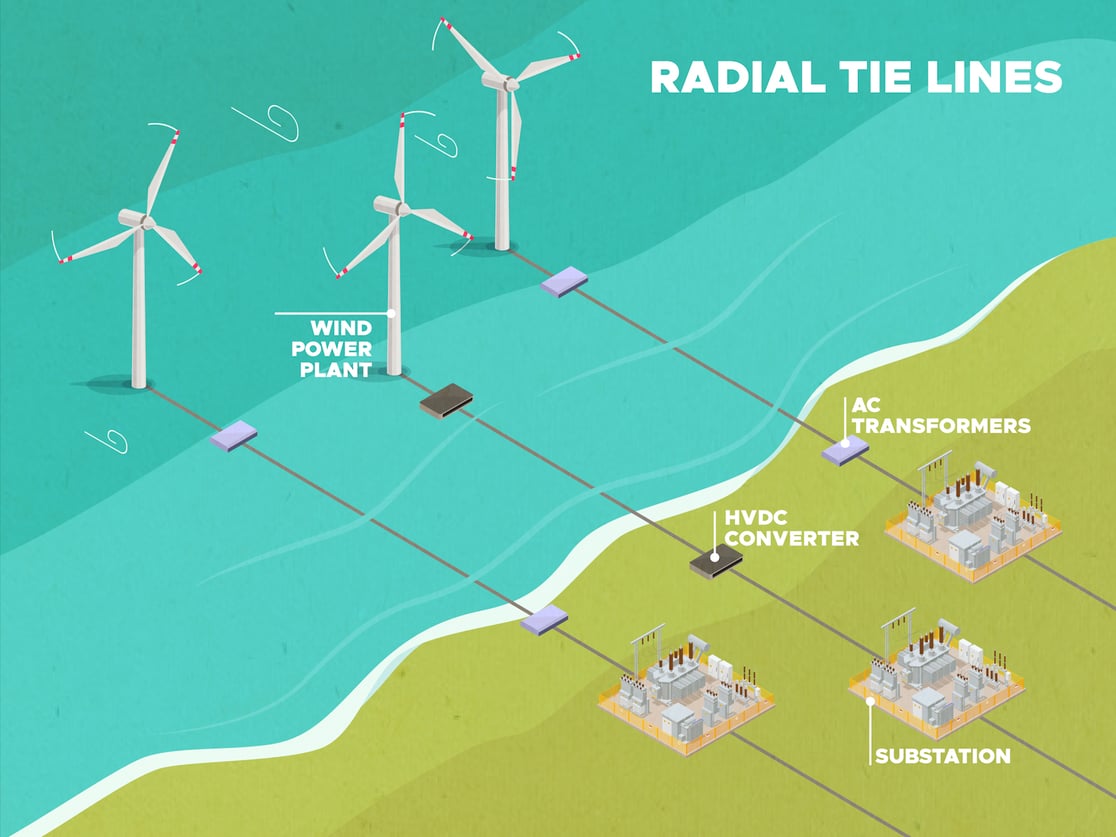
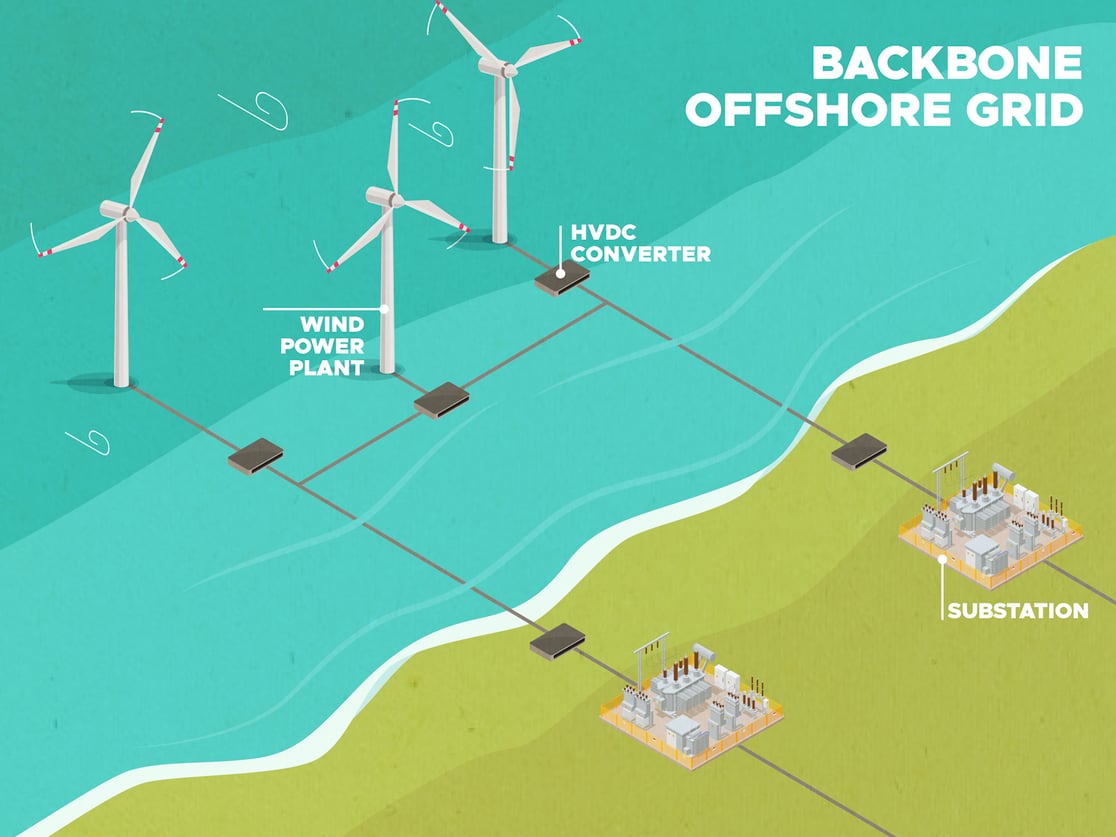
The two scenarios differ in whether each wind farm is connected separately to shore (in a radial structure) or whether the wind farms are connected to each other, then to shore (a backbone structure).


Although both transmission scenarios offered millions of dollars in value, the backbone structure offers slightly different benefits, Severy said. In the radial scenario, power can only go to one place—wherever the wind farm is connected on the coast—and then distributed from there. In the backbone structure, power can be diverted up and down the coast.

In their investigation of the economic benefits of floating offshore wind, researchers looked at two different ways that the generated power could be delivered to shore. One was a radial structure, in which individual wind farms (represented by a single wind turbine in the above image) are each connected to shore where power is delivered. (Illustration by Stephanie King for Pacific Northwest National Laboratory)

In their investigation of the economic benefits of offshore wind, researchers looked at two different ways that the generated power could be delivered to shore. The second structure is called a backbone, in which the wind farms are connected to each other, then connected to shore at fewer points. (Illustration by Stephanie King for Pacific Northwest National Laboratory)

For example, “in times when there's excess solar generation in California, we found that the backbone provides another pathway for that electricity to go to the Pacific Northwest and when there is a lot of hydropower in the Pacific Northwest, the backbone is another pathway south, outside of the congested transmission lines on the I-5 corridor,” Severy said.


Although either option would be expensive, “the benefits exceed the costs in nearly every scenario,” Douville said. In those scenarios where benefits exceed the costs, the values of the various returns on investment range between $127 million to $6 billion. These numbers represent savings to produce and supply power as well as avoided cost of the effects of air pollution and destruction wrought by climate-change-related disasters.


Challenges for offshore wind development

Douville stressed that many more questions need to be answered before an offshore wind plan can be executed. Many of these questions will come into focus on the West Coast Offshore Wind Transmission Study, which kicked off in May 2023 and aims to determine how the nation can expand transmission to harness offshore wind power on the West Coast.


For instance, researchers and policymakers need to consider how transmission lines will fare underwater. Sea floor depth and slope could affect where cable could be laid, and salt water can be very corrosive, said Jason Fuller, chief energy resilience engineer at PNNL. Maintenance could be tough, depending on how deep the cables are laid. In addition, the nation simply hasn’t used HVDC as much as AC on the grid, and modeling HVDC with current tools can be difficult. PNNL researchers are working on modeling the performance of HVDC lines to support the offshore wind work.


Researchers and policymakers will also have to consider other stakeholders who depend on the ocean, including fisheries and other coastal communities.


“Early coordinated transmission planning leads to more economical solutions, for utilities, ratepayers, and society as a whole,” said Douville. “If we plan now for what we think the grid will look like 20 years from now, and policymakers can use these insights to guide development, we're going to end up with a better solution.”


This work was funded by the National Offshore Wind Research and Development Consortium and the Bureau of Ocean Energy Management.

Tuesday, April 18, 2023

Recycled Aluminum Offers Energy, Emissions and Electric Vehicle Battery Range Savings

 PNNL Lab News Release:


The new manufacturing process produces high-strength aluminum vehicle parts that lower costs and are more environmentally friendly

SHARE

April 18, 2023

RICHLAND, Wash.—Scrap aluminum can now be collected and transformed directly into new vehicle parts using an innovative process being developed by the automotive industry, in particular for electric vehicles. Today, the Department of Energy’s Pacific Northwest National Laboratory, in collaboration with leading mobility technology company Magna, unveils a new manufacturing process that reduces more than 50% of the embodied energy and more than 90% of the carbon dioxide emissions by eliminating the need to mine and refine the same amount of raw aluminum ore. Lightweight aluminum can also help extend EV driving range.


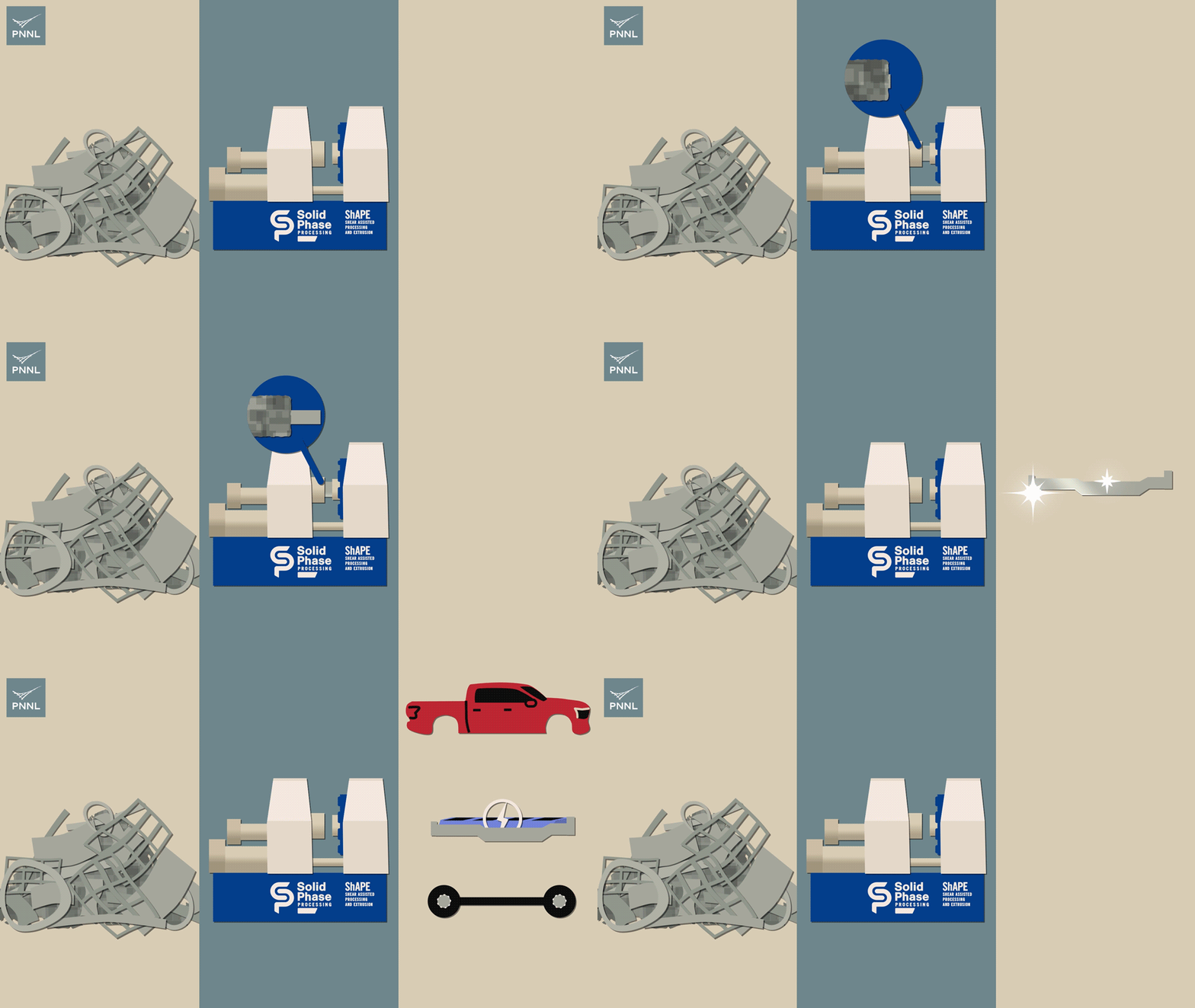
This patented and award-winning Shear Assisted Processing and Extrusion (ShAPE™) process collects scrap bits and leftover aluminum trimmings from automotive manufacturing and transforms it directly into suitable material for new vehicle parts. It is now being scaled to make lightweight aluminum parts for EVs.


The most recent advancement, described in detail in a new report and in Manufacturing Letters research article, eliminates the need to add newly mined aluminum to the material before using it for new parts. By reducing the cost of recycling aluminum, manufacturers may be able to reduce the overall cost of aluminum components, better enabling them to replace steel.


“We showed that aluminum parts formed with the ShAPE process meet automotive industry standards for strength and energy absorption,” said Scott Whalen, a PNNL materials scientist and lead researcher. “The key is that ShAPE process breaks up metal impurities in the scrap without requiring an energy-intensive heat treatment step. This alone saves considerable time and introduces new efficiencies.”

Automakers’ aluminum scrap transforms into new vehicle parts with the PNNL-patented ShAPE manufacturing process. Heat and friction soften the aluminum and transform it from rough metal into a smooth, strong uniform product without a melting step. (Animation by Sara Levine | Pacific Northwest National Laboratory)

The new report and research publications mark the culmination of a four-year partnership with Magna, the largest manufacturer of auto parts in North America. Magna received funding for the collaborative research from DOE’s Vehicle Technologies Office, Lightweight Materials Consortium (LightMAT) Program.


“Sustainability is at the forefront of everything we do at Magna,” said Massimo DiCiano, Manager Materials Science at Magna. “From our manufacturing processes to the materials we use, and the ShAPE process is a great proof point of how we’re looking to evolve and create new sustainable solutions for our customers.”


Aluminum advantages

Besides steel, aluminum is the most used material in the auto industry. The advantageous properties of aluminum make it an attractive automotive component. Lighter and strong, aluminum is a key material in the strategy to make lightweight vehicles for improved efficiency, being it extending the range of an EV or reducing the battery capacity size. While the automotive industry currently does recycle most of its aluminum, it routinely adds newly mined primary aluminum to it before reusing it, to dilute impurities.


Metals manufacturers also rely on a century-old process of pre-heating bricks, or “billets” as they are known in the industry, to temperatures over 1,000°F (550°C) for many hours. The pre-heating step dissolves clusters of impurities such as silicon, magnesium or iron in the raw metal and distributes them uniformly in the billet through a process known as homogenization.


By contrast, the ShAPE process accomplishes the same homogenization step in less than a second then transforms the solid aluminum into a finished product in a matter of minutes with no pre-heating step required.


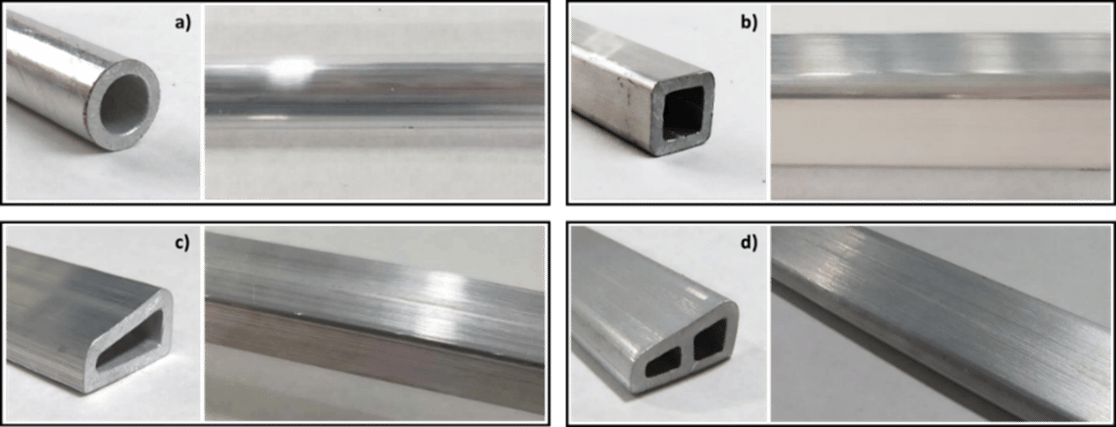
“With our partners at Magna, we have reached a critical milestone in the evolution of the ShAPE process,” said Whalen. “We have shown its versatility by creating square, trapezoidal and multi-cell parts that all meet quality benchmarks for strength and ductility.”

Extrusions made from AA6063 industrial scrap by ShAPE producing (a) circular, (b) square, (c) trapezoidal, and (d) two-cell trapezoidal profiles. (Image courtesy Scott Whalen | Pacific Northwest National Laboratory)

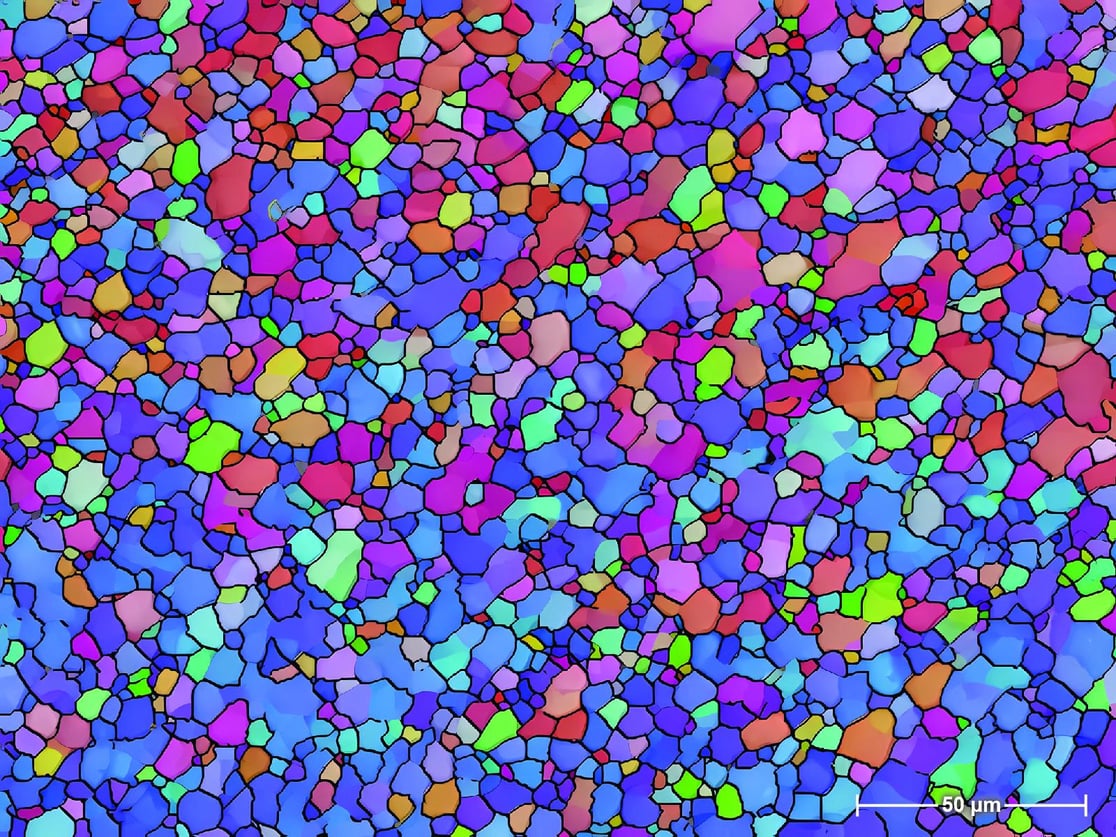
For these experiments, the research team worked with an aluminum alloy known as 6063, or architectural aluminum. This alloy is used for variety of automotive components, such as engine cradles, bumper assemblies, frame rails and exterior trim. The PNNL research team examined the extruded shapes using scanning electron microscopy and electron backscatter diffraction, which creates an image of the placement and microstructure of each metal particle within the finished product. The results showed that the ShAPE products are uniformly strong and lack manufacturing defects that could cause parts failure. In particular, the products had no signs of the large clusters of metal—impurities that can cause material deterioration and that have hampered efforts to use secondary recycled aluminum to make new products.


The research team is now examining even higher strength aluminum alloys typically used in battery enclosures for electric vehicles.


“This innovation is only the first step toward creating a circular economy for recycled aluminum in manufacturing,” said Whalen. “We are now working on including post-consumer waste streams, which could create a whole new market for secondary aluminum scrap.”


In addition to Whalen, the PNNL research team included Nicole Overman, Brandon Scott Taysom, Md. Reza-E-Rabby, Mark Bowden and Timothy Skszek. In addition to DiCiano, Magna contributors included Vanni Garbin, Michael Miranda, Thomas Richter, Cangji Shi and Jay Mellis. This work was supported by DOE’s Vehicle Technologies Office, LightMAT Program.


The patented ShAPE technology is available for licensing for other applications.

Pacific Northwest National Laboratory draws on its distinguishing strengths in chemistryEarth sciencesbiology and data science to advance scientific knowledge and address challenges in sustainable energy and national securityFounded in 1965, PNNL is operated by Battelle for the U.S. Department of Energy’s Office of Science, which is the single largest supporter of basic research in the physical sciences in the United States. DOE’s Office of Science is working to address some of the most pressing challenges of our time. For more information, visit https://energy.gov/science. For more information about PNNL, visit PNNL's News Center. Follow us on TwitterFacebookLinkedIn and Instagram.